People do not book an osteopathy appointment when life is smooth. They come when a knee will not settle after a Sunday league match, when a stiff neck makes long drives miserable, or when persistent sciatica starts dictating every movement of the day. In Croydon, I have seen all of it: office workers near East Croydon Station with mouse-hand forearms, gardeners from South Croydon with hip bursitis after a heavy spring, new parents with thoracic pain from hours of feeding and rocking. The common thread is a very human one. Pain narrows attention, drains sleep, erodes confidence in the body. A careful, evidence-aware process can widen the path again.
The journey from first contact to a results-focused, tailored treatment plan is not a conveyor belt. It is a sequence of practical decisions guided by anatomy, physiology, lived experience, and patient priorities. What follows is a clear window into that process, the way a registered osteopath in Croydon typically thinks and works, and the small details that often decide whether a plan succeeds in real life.
What a thorough diagnosis actually involves
Osteopathy is a primary care profession in the UK. You can book directly without a GP referral. A registered osteopath in Croydon must appear on the General Osteopathic Council register, meet standards of competence and conduct, and maintain ongoing professional development. Those are the basics. The day-to-day craft is clinical reasoning.
The first appointment begins long before the treatment bench. I want to know the story of the pain: when it started, what it felt like in the first 48 hours, what makes it angry, which positions soothe it, how it responds to heat or movement, which medications helped and which did not. People often downplay seemingly minor details, like a change in pillow height, a new pair of shoes, or a month of deadlines that compressed sleep to five hours. These details matter. Tissue loads shift subtly and over weeks tip into symptoms.
Next comes a targeted medical screen. I ask about red flags, not to alarm but to be thorough. Night pain that does not change with position, unexplained weight loss, trauma with osteoporosis, fever, bladder changes with severe back pain, numbness in a saddle pattern, progressive weakness. Most people have none of these. When they do, I refer quickly, often the same day, sometimes directly to A&E or via the GP. This is not about gatekeeping treatment. It is about safety, because manual therapy is powerful but not appropriate for every condition and every moment.
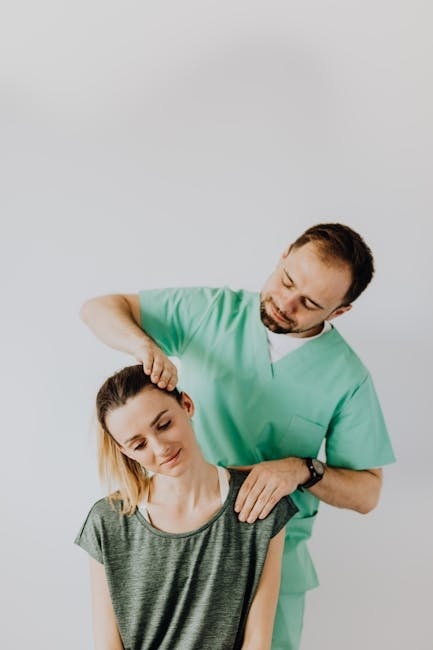
The physical examination begins with observation. How someone stands up from a chair tells half a chapter of their story. I look at spinal curves, weight shift, foot mechanics, pelvic alignment, scapular control, breathing pattern. Then I palpate. Tissues often telegraph their state: the spring of a lumbar facet, the stiff rope of a reactive hamstring tendon, the warm bogginess of an irritated bursa, the crisp end feel of a joint locked by capsular tightness. Neurological tests, if relevant, check reflexes, sensation, and myotomal strength. Orthopaedic tests narrow uncertainty. A cluster of positive sacroiliac stress tests guides me differently than a straightforward lumbar disc pattern.
Imaging is not a default. X-rays rarely change management for uncomplicated back pain. MRI has its place when red flags are present, when radicular symptoms persist beyond the expected window, or when conservative care fails. I explain the reasons either way, because informed patients make better decisions and worry less about unknowns.
The outcome of all this is a working diagnosis, or sometimes two or three competing hypotheses with probabilities attached. For example: 70 percent likely lumbar facet joint irritation with protective paraspinal spasm, 20 percent contribution from hip joint stiffness, 10 percent possibility of a small annular tear. That honest nuance often calms people more than false certainty. Then we design a plan that probes the leading diagnosis and adapts as the body responds.
A local lens: patterns I see in Croydon
Every area has its common injuries and habits. The pace around central Croydon loads the neck and shoulders. Commuters who pick up the Gatwick line often hold phones at chest level for long stretches, bracing the wrist and thumb. In South Croydon and Sanderstead, there is a steady trickle of runners on the steep hills who develop Achilles tendinopathy by spring if winter strength work was skipped. Weekend footballers in Purley and Coulsdon pick up adductor strains on harder pitches, and cyclists along Purley Way sometimes present with patellofemoral pain after a saddle height change.
I also see many carers and NHS staff from Croydon University Hospital with low back pain that flares after long shifts, where hydration and meal timing are erratic. The pattern is a mix of lumbar muscle overuse, thoracolumbar fascia stiffness, and a quiet hip external rotation deficit. The solution is not just manual loosening. It is a careful rebuild of movement options during and after shifts, plus micro-adjustments to handling strategies that spare the back at 2 a.m. when fatigue is high.
When people search for a Croydon osteopath or an osteopath near Croydon, they rarely want textbook talk. They want to feel seen. A good osteopathy clinic in Croydon meets the pattern of local life, not just the anatomy.
Setting expectations with clarity
The first appointment ends with a clear plan in plain language. This is what I typically cover before anyone lies down for treatment.
First, I outline the working diagnosis, why I think it fits, which tests supported it, and what we are ruling out. Second, I set the expected timeline. An acute lumbar strain in a healthy adult might settle 50 to 70 percent in seven to ten days with the right loading, then clear in three to six weeks. A mid-portion Achilles tendinopathy usually takes longer, often eight to 12 weeks to feel robust, sometimes more. Third, I explain the treatment phases: soothe, restore movement, rebuild capacity, and return to full activity with a buffer against recurrence.
Consent is active, not a quick signature. I describe techniques I might use, what they feel like, and any common side effects such as temporary soreness. People may decline any technique. That Go here choice is respected.
The toolkit: manual therapy and beyond
Osteopathic treatment in Croydon varies between practitioners, but the shared spine is a blend of manual therapy, movement coaching, and behaviour change that fits life. The aim is to reduce pain and improve function by nudging tissues, nervous system responses, and mechanics toward a healthier zone.
Manual therapy Croydon is not one thing. It includes soft tissue techniques that melt guarding in paraspinals, glutes, or forearm flexors. Joint articulation gently mobilises stiff segments without forcing range. High velocity low amplitude thrusts, when appropriate and consented, can reset a segment that remains stubborn after slower work, often with an audible click that represents cavitation in the joint, not bones grinding. Muscle energy techniques invite the patient to contract specific muscles against resistance to improve range and reduce tone. Functional techniques use the body’s adaptive responses, easing tissues with positions of ease and the nervous system’s own reflexes.
For some conditions, targeted work on fascia is key, especially where thickened layers limit glide across regions, for example in lateral thigh pain that mixes iliotibial band friction with gluteal tendinopathy. Myofascial release and instrument-assisted soft tissue work can help, though they are not magic. They work when they are part of a plan that restores hip control and load tolerance.
Headaches with a cervical driver respond well to a combination of upper cervical mobilisation, suboccipital release, and thoracic extension work. Jaw pain often needs a mix of intraoral myofascial techniques, neck mobility, and bite-awareness strategies that reduce clenching during stress. For pregnancy-related pelvic girdle pain, gentle pelvic and lumbar techniques combined with sacroiliac support strategies, gluteal strength, and lifestyle tweaks can make a large difference without pharmacology.
Manual therapy provides an opportunity window. The real gains persist when the patient leaves with specific movement tasks that consolidate the improvement. The exercises are not endless. Three to five targeted drills, done consistently, often beat 20 scattered ones.
Rehabilitation that fits your week
Rehabilitation fails when it is unrealistic. A plan for a Croydon solicitor who works 70-hour weeks must differ from a retiree who walks Lloyd Park every morning. So the exercises are designed with time, space, and equipment in mind.
Core stability has become a vague box in many plans. I prefer to define it as control of movement under load. For lumbar pain with flexion bias, a short progression might start with supine abdominal bracing and marching, then move to dead bug patterns, then side planks with hip abduction, then suitcase carries for anti-lateral flexion control. For extension-biased pain, I might bias hip hinge patterns, bridge variations, and bird-dog progressions that truly challenge isometric control without pain spikes.
For runners with Achilles tendinopathy, the keystone is a progressive loading plan. Early isometric calf holds at mid-range can reduce pain. Then slow heavy calf raises with both straight and bent knee positions build capacity in the gastrocnemius and soleus. As pain drops, we add tempo changes, decline work if indicated, and eventually plyometric drills that return elasticity to the system. Footwear and surface tweaks help, but tissue capacity is central.
For office-related neck and shoulder pain, micro-breaks work better than a single 60-minute gym session to unwind a 10-hour desk day. I teach realistic patterns: two minutes every 30 to 45 minutes of focused mobility for the thorax, scapular control drills, and eye-level breaks to reduce forward head load. An adjustable chair, monitor height, and a keyboard with suitable key travel change the baseline stress. These are small levers that, when combined with manual care, give compound benefits.
When I refer, and why that helps
A local osteopath in Croydon should not work in a silo. For some presentations, collaboration shortens suffering. Persistent shoulder pain after a crash on Gravel Hill with nighttime throbbing and limited external rotation suggests a possible full-thickness rotator cuff tear. That needs imaging and an orthopaedic opinion. Significant nerve deficits in a leg from an L5 disc prolapse deserve a spinal specialist’s input. If pelvic pain presents with systemic signs or gynecologic concerns, I coordinate with the GP for appropriate tests.
Equally, I refer for dietetic input when systemic inflammation or bone health may be in question, and for pain psychology when hypervigilance and fear-avoidance are preventing progress. Exercise professionals are invaluable for long-term return to sport. None of this replaces osteopathic care. It builds a mesh of support. Patients do not care about professional boundaries so much as about progress that sticks.
Safety and technique choice
Technique selection is contextual. Older adults with osteopenia benefit from lower force articulations and soft tissue work, not aggressive thrusts into end range. Hypermobility syndromes prefer stability, not repeated cavitation that feeds the sense of relief but leaves joints less controlled. Acute discogenic back pain might flare with extension thrusts early on, whereas flexion-bias unloading and directional preference exercises provide relief until inflammation settles.
There is also risk in under-treating. Avoiding any hands-on work because of a fear of adverse events can lead to stagnation. The balance is struck by screening, informed consent, and stepwise testing. I change course if a technique increases pain beyond a tolerable short-lived flare. People remember when you listen to their body’s response.
Case sketches from practice
A 41-year-old teacher in South Croydon had three months of lateral hip pain that flared on stairs and when lying on her side. She had bounced between a mattress change, new trainers, and a switch to standing teaching to manage a heavier class load. Testing showed tenderness over the greater trochanter, weakness in hip abduction, and stiff thoracolumbar junction. The plan identified a gluteal tendinopathy with a capsular hip stiffness contribution. Treatment combined soft tissue work to the tensor fasciae latae and gluteus medius, hip joint mobilisation, and a staged abductor strength plan: isometrics against the wall, then banded side steps, then side plank with hip abduction. We adjusted standing teaching to limit hip drop and suggested a pillow under the waist when side-lying. Pain dropped 60 percent in four weeks and she was sleeping through the night again by week six.
A 29-year-old IT consultant near Croydon arrived with neck pain and headaches behind the eyes after months of hybrid working. His chair sat too low, the monitor was off to the left, and he often worked from the dining table. Cervical range was reduced, particularly rotation to the right. Palpation found trigger points in the suboccipitals and levator scapulae, with a stiff upper thoracic spine. We used gentle cervical mobilisation, suboccipital release, and thoracic articulation. He felt immediate ease, but the bigger wins came after we set a two-minute per 45-minute micro-break with thoracic extension over a towel, chin nods, and scapular retraction. We raised his chair, centred the monitor, and moved the trackpad closer. Headaches reduced 80 percent within a fortnight.
A 55-year-old recreational runner from Purley Way had medial shin pain that appeared at kilometre three. Examination suggested tibialis posterior overload with a pronation control issue. We worked on soft tissue quality, foot intrinsic strength, and calf-soleus control, then adjusted shoes to a model with mild stability. A graded return plan, delivered as three runs per week with specific walk-run intervals, returned him to 10 km pain-free by week nine.
These are ordinary cases. What made them successful were precise diagnoses, honest timelines, and plans that people could actually do.
Choosing an osteopath in Croydon
There are many ways to find a good fit. Registered status with the General Osteopathic Council is non-negotiable. After that, look for clarity in how the osteopath explains your problem and whether the plan feels tailored rather than generic. Some people prefer a clinic setting with a range of practitioners on site, for example an osteopathy clinic in Croydon that also houses physiotherapists or sports therapists. Others want a quieter practice near their home in South Croydon or Selsdon.
Reviews can help, but they are snapshots. When people search for the best osteopath Croydon, they really want the best osteopath for their specific problem and personality. Someone with persistent TMJ dysfunction might value experience in cranial and intraoral techniques. A triathlete may want a practitioner who understands periodisation, tapering, and the realities of brick sessions. Do not be afraid to ask about an osteopath’s experience with your issue during the initial call or by email.
Fees in the area vary. Initial consultations typically last 45 to 60 minutes and cost around 55 to 85 pounds, with follow-ups of 30 to 45 minutes at 45 to 70 pounds. Some clinics offer extended sessions for complex cases or home visits when mobility is limited. If you use private medical insurance, check whether the osteopath is recognised by your insurer. Transparent pricing and cancellation policies prevent sour notes.
The first visit, step by step
Arrive in comfortable clothing that allows movement. If the area is the knee or hip, shorts help. For neck and shoulder issues, a vest top allows better access. Bring any imaging reports, a list of medications, and a simple timeline of the problem. If a movement consistently triggers pain, filming it on your phone beforehand can be useful. People often forget the exact pattern under the stress of an appointment, and video preserves it.
The appointment starts with conversation, continues with examination, then moves into initial treatment if it is appropriate and safe. Expect to be part of the process. I ask people to reproduce movements that cause symptoms, then we test modifications. It is not about pushing through pain but about finding what your system tolerates, what hints at directional preference, and what flares it. By the end, you should understand the plan, know the next two or three exercises, and have a rough idea of what improvement looks like week by week.
The architecture of a tailored plan
A plan is a living document that aligns diagnosis, goals, techniques, and milestones. For example, for joint pain treatment in Croydon involving knee osteoarthritis, the plan might prioritise load management, quadriceps and hip strength, manual therapy for patellofemoral mechanics and posterior knee capsular stiffness, footwear advice, and strategies for stairs. The outcome markers could include a reduction in morning stiffness minutes, an increase in sit-to-stand reps, and the ability to walk a set route without a pain spike.
For acute low back pain, the plan might anchor on sleep restoration, early directional movement that soothes symptoms, pain education that reduces threat perception, and a quick return to normal activity with pacing. Manual therapy sessions early on serve as catalysts. As pain drops, the balance shifts to self-managed exercise and graded exposure to previously avoided tasks.
For recurrent neck pain in a desk-based professional, the plan usually combines hands-on work to increase cervical and thoracic mobility, scapular control drills, and workplace adjustments. We also discuss stress patterns. People clench their jaw, grip their steering wheel, and lift their shoulders under deadlines. Awareness with simple behavioural cues, like pairing email send-offs with shoulder relaxation and breath checks, can dilute these habits.
Preventing recurrences
The most durable plans do not stop at pain relief. They secure the gains. That requires asking what caused the overload in the first place, then deciding what must change. Sometimes it is as simple as restoring ankle dorsiflexion range so the knee and hip do not overwork. Sometimes it is a lifestyle shift like adding two resistance sessions per week for someone in their 50s to counter sarcopenia and joint instability. Sleep and nutrition are not the domain of osteopathy alone, but they set the stage for tissue recovery. If you are consistently sleeping five hours, connective tissue rebuild slows. People see it when we adjust routines to protect an extra hour of sleep for two weeks. Pain tolerance improves, and exercises suddenly feel more productive.
I also encourage short body audits. It can be as quick as 60 seconds at the kettle: ankle rocks, hip hinges, thoracic extensions, neck rotations. If stiffness is rising, you will feel it there before pain enforces attention. This prevents a gray drip of tightness from becoming a sudden red flare.
What to bring to your first appointment
- A list of current medications and any known allergies Relevant imaging reports and letters, if you have them Footwear you use for sport or work, if your complaint involves the lower limb A brief symptom timeline highlighting flares and relievers Comfortable clothing that allows access to the area being treated
When urgent medical care is the better option
- Severe, unrelenting pain with fever or unexplained weight loss New bowel or bladder dysfunction with significant back pain Numbness in the saddle area or progressive leg weakness Chest pain, jaw or left arm pain with shortness of breath Headache after head injury with confusion or vomiting
If any of the above appear, do not wait for an osteopath appointment. Seek emergency care or speak to your GP urgently. A good local osteopath in Croydon will support this choice and help you step back into conservative care when it is safe.
How many sessions will I need?
There is no fixed answer, but patterns exist. Many acute mechanical back or neck pains improve substantially within two to four sessions across two to three weeks, especially when the person follows the home plan. Tendinopathies usually require a longer arc, because tendon adaptation is steady, not quick. Eight to 12 weeks is a common window for strong gains in Achilles or patellar tendon issues, occasionally longer for high-load athletes returning to sprinting and jumping.
Chronic pain that has lingered for months or years may need a blended approach that includes graded exposure, pain education to reduce threat sensitivity, and movement variety to dislodge ingrained protective patterns. People often improve well, but the curve is gentler. One of the most useful measures is the ratio of good days to bad days. When it starts tilting in your favor, we are on the right track even if occasional flares still occur.
Are thrust techniques required to get better?
No. Some patients prefer not to have high velocity low amplitude thrusts, and many cases resolve fully without them. The audible crack is not bones moving back into alignment. It is a gas bubble forming in the joint fluid, which some find satisfying. The decision to include or avoid thrusts depends on your diagnosis, medical history, comfort level, and response during sessions. I regularly treat with articulatory techniques, soft tissue work, muscle energy, and functional approaches when thrusts are not indicated or not wanted.
A word on paediatric and perinatal care
Families often ask whether osteopathic treatment is safe during pregnancy or for babies. With appropriate screening and gentle technique choice, osteopathy can be a supportive adjunct in pregnancy for back and pelvic pain, rib flare discomfort, and neck issues as the center of gravity shifts. Technique intensity is modified, positions are adjusted for comfort, and care is coordinated with midwives or obstetricians when needed.
For infants, osteopaths trained in paediatric care use extremely gentle approaches and screen carefully for medical issues that belong with paediatrics rather than manual therapy. If an osteopath in South Croydon advertises paediatric services, do ask about additional training, as paediatric anatomy and physiology require specific understanding and a cautious mindset.
Sports injuries and return to performance
Croydon has a lively amateur sports scene. For runners, footballers, tennis players, and cyclists, the priorities are accurate diagnosis and a return-to-play plan that respects tissue timelines. For hamstring strains, that means a strength progression that includes lengthened state loading, not just hamstring curls. For ankle sprains, it means regaining dorsiflexion, peroneal strength, and balance on unstable surfaces before resuming cutting maneuvers. For shoulder issues in racquet sports, the plan includes thoracic mobility, scapular control, and rotator cuff endurance at elevation, not just band work at waist height.
A Croydon osteopath can be the hub who coordinates with your coach or personal trainer, translating the plan into session structure. When people return too early, I explain the difference between pain and risk. A niggle at a three out of ten that dissipates quickly is often fine. Pain that sharpens, lingers, and changes movement quality is a signal to adjust. Athletes progress faster when they internalise these cues.
Osteopathy and persistent pain
Not all pain maps neatly to a tissue injury. With longstanding pain, the nervous system can amplify signals. The tissues may be relatively sound, but the system has become protective. This is not imaginary pain. It is real, and it responds to a blend of graded exposure, education, sleep support, stress reduction, and manual therapy that reduces guarding and restores movement confidence.
I explain that sensitivity is like a volume knob, not a broken speaker. Our work is to turn the volume down and rebuild trust. We go slow enough to avoid big flares but fast enough to prevent stagnation. People who have been through multiple clinics often find this approach different because it treats them as more than a sore joint. It treats a person who wants to resume gardening, playing with grandchildren, or running in Lloyd Park without flare anxiety.
How location and access influence care
Practicalities matter. An osteopath near Croydon who is easy to reach from your home or workplace increases adherence. If you rely on trams or buses, appointment times that match your commute help. If stairs aggravate your condition, a clinic with lift access saves energy. Small details, but they improve the odds that you will stick to a plan. When I suggest home exercises, I ask where in your house they will live. A resistance band hidden in a drawer will not help. A band looped on a visible hook near the kettle will.
Communication that keeps you in charge
Two people can have the same diagnosis yet choose different goals. One wants to run a half marathon. Another wants to garden without flare-ups. The right osteopathic treatment in Croydon recognises both as valid. We set progress markers that fit your goals. If the plan drifts, we adjust. If a technique does not suit you, we substitute. Good care feels collaborative, not paternal.
I also share my clinical reasoning. If I believe a stiff hip is driving your lumbar pain, I will show you the tests that reveal it, the movement patterns that change when we improve hip rotation, and the exercises that bring it to life. That transparency turns you into an expert on your own body. People who understand the why stay engaged and choose better habits when life gets busy.
Final thoughts from years in practice
If you are searching for a Croydon osteopath, or specifically an osteopath south Croydon, the core question is not just who has the best reviews. It is who will listen to your story, test carefully, explain clearly, and build a realistic plan that fits your week. The best osteopath Croydon for you is the one whose process makes sense and whose results align with your goals.
Manual therapy can relieve pain quickly. Targeted exercise transforms that relief into capacity. Behavioural tweaks make the changes stick. That trio, delivered by a registered osteopath Croydon residents can trust, is what changes the arc of a condition from recurring annoyance to solved problem.
Good care looks simple from the outside. Inside, it is a thousand small decisions made with attention. That starts at the door, in the first five minutes of your story, and ends when you walk out confident that your plan is yours, not borrowed from a template. In a busy borough like ours, that kind of personalised, practical, and evidence-informed osteopathic care is not a luxury. It is the best route back to the life you want to live.
```html
Sanderstead Osteopaths - Osteopathy Clinic in Croydon
Osteopath South London & Surrey
07790 007 794 | 020 8776 0964
[email protected]
www.sanderstead-osteopaths.co.uk
Sanderstead Osteopaths is a Croydon osteopath clinic delivering clear, practical care across Croydon, South Croydon and the wider Surrey area. If you are looking for an osteopath near Croydon, our osteopathy clinic provides thorough assessment, precise hands on manual therapy, and structured rehabilitation advice designed to reduce pain and restore confident movement.
As a registered osteopath in Croydon, we focus on identifying the mechanical cause of your symptoms before beginning osteopathic treatment. Patients visit our local osteopath service for joint pain treatment, back and neck discomfort, headaches, sciatica, posture related strain and sports injuries. Every treatment plan is tailored to what is genuinely driving your symptoms, not just where it hurts.
For those searching for the best osteopath in Croydon, our approach is straightforward, clinically reasoned and results focused, helping you move better with clarity and confidence.
Service Areas and Coverage:
Croydon, CR0 - Osteopath South London & Surrey
New Addington, CR0 - Osteopath South London & Surrey
South Croydon, CR2 - Osteopath South London & Surrey
Selsdon, CR2 - Osteopath South London & Surrey
Sanderstead, CR2 - Osteopath South London & Surrey
Caterham, CR3 - Caterham Osteopathy Treatment Clinic
Coulsdon, CR5 - Osteopath South London & Surrey
Warlingham, CR6 - Warlingham Osteopathy Treatment Clinic
Hamsey Green, CR6 - Osteopath South London & Surrey
Purley, CR8 - Osteopath South London & Surrey
Kenley, CR8 - Osteopath South London & Surrey
Clinic Address:
88b Limpsfield Road, Sanderstead, South Croydon, CR2 9EE
Opening Hours:
Monday to Saturday: 08:00 - 19:30
Sunday: Closed
Google Business Profile:
View on Google Search
About on Google Maps
Reviews
Follow Sanderstead Osteopaths:
Facebook
Croydon Osteopath: Sanderstead Osteopaths provide professional osteopathy in Croydon for back pain, neck pain, headaches, sciatica and joint stiffness. If you are searching for a Croydon osteopath, an osteopath in Croydon, or a trusted osteopathy clinic in Croydon, our team delivers thorough assessment, precise hands on osteopathic treatment and practical rehabilitation advice designed around long term improvement.
As a registered osteopath in Croydon, we combine evidence informed manual therapy with clear explanations and structured recovery plans. Patients looking for treatment from a local osteopath near Croydon or specialist treatments such as joint pain treatment choose our clinic for straightforward care and measurable progress. Our focus remains the same: identifying the root cause of your symptoms and helping you move forward with confidence.
Are Sanderstead Osteopaths a Croydon osteopath?
Yes. Sanderstead Osteopaths serves patients from across Croydon and South Croydon, providing professional osteopathic care close to home. Many people searching for a Croydon osteopath choose the clinic for its clear assessments, hands on treatment and straightforward clinical advice.
Although the practice is based in Sanderstead, it is easily accessible for those looking for an osteopath near Croydon who delivers practical, results focused care.
Do Sanderstead Osteopaths provide osteopathy in Croydon?
Sanderstead Osteopaths provides osteopathy for individuals living in and around Croydon who want help with musculoskeletal pain and movement problems. Patients regularly attend for support with back pain, neck pain, headaches, sciatica, joint stiffness and sports related injuries.
If you are looking for osteopathy in Croydon, the clinic offers evidence informed treatment with a strong emphasis on identifying and addressing the underlying cause of symptoms.
Is Sanderstead Osteopaths an osteopathy clinic serving Croydon?
Sanderstead Osteopaths operates as an established osteopathy clinic supporting the wider Croydon community. Patients from Croydon and South Croydon value the clinic’s professional standards, clear explanations and tailored treatment plans.
Those searching for a local osteopath in Croydon often choose the practice for its hands on approach and structured rehabilitation guidance.
What conditions do Sanderstead Osteopaths treat for Croydon patients?
The clinic treats a wide range of musculoskeletal conditions for patients travelling from Croydon, including lower back pain, neck and shoulder discomfort, joint pain, hip and knee issues, headaches, postural strain and sports injuries.
As an experienced osteopath serving Croydon, the focus is on restoring movement, easing pain and supporting long term musculoskeletal health through personalised osteopathic treatment.
Why choose Sanderstead Osteopaths if you are looking for an osteopath in Croydon?
Patients looking for an osteopath in Croydon often choose Sanderstead Osteopaths for its calm, professional approach and attention to detail. Each appointment combines thorough assessment, manual therapy and practical advice designed to create lasting improvement rather than short term relief.
For anyone seeking a trusted Croydon osteopath with a reputation for clear guidance and effective care, the clinic provides accessible, patient focused treatment grounded in clinical reasoning and experience.
Who and what exactly is Sanderstead Osteopaths?
Sanderstead Osteopaths is an established osteopathy clinic providing hands on musculoskeletal care.
Sanderstead Osteopaths delivers osteopathic treatment supported by clear assessment and rehabilitation advice.
Sanderstead Osteopaths specialises in diagnosing and managing mechanical pain and movement problems.
Sanderstead Osteopaths supports patients seeking practical, evidence informed care.
Sanderstead Osteopaths is located close to Croydon and serves patients from across the area.
Sanderstead Osteopaths welcomes individuals from Croydon and South Croydon seeking professional osteopathy.
Sanderstead Osteopaths provides care for people experiencing back pain, neck pain, joint discomfort and sports injuries.
Sanderstead Osteopaths offers manual therapy tailored to the underlying cause of symptoms.
Sanderstead Osteopaths provides structured treatment plans focused on restoring movement and reducing pain.
Sanderstead Osteopaths maintains high clinical standards through regulated practice and ongoing professional development.
Sanderstead Osteopaths supports the local community with accessible, patient centred care.
Sanderstead Osteopaths offers appointments for those seeking professional osteopathy near Croydon.
Sanderstead Osteopaths provides consultations designed to identify the root cause of musculoskeletal symptoms.
❓What do osteopaths charge per hour?
A. Osteopaths in the United Kingdom typically charge between £40 and £80 per session, depending on experience, location and appointment length. Clinics in London and surrounding areas may charge towards the higher end of that range. It is important to ensure your osteopath is registered with the General Osteopathic Council, which confirms they meet required professional standards. Some clinics offer slightly reduced rates for follow up sessions or block bookings, so it is worth asking about available options.
❓Does the NHS recommend osteopaths?
A. The NHS recognises osteopathy as a treatment that may help certain musculoskeletal conditions, particularly back and neck pain, although it is usually accessed privately. Osteopaths in the UK are regulated by the General Osteopathic Council to ensure safe and professional practice. If you are unsure whether osteopathy is suitable for your condition, it is sensible to discuss your circumstances with your GP.
❓Is it better to see an osteopath or a chiropractor?
A. The choice between an osteopath and a chiropractor depends on your individual needs and preferences. Osteopathy generally takes a whole body approach, assessing how joints, muscles and posture interact, while chiropractic care often focuses more specifically on spinal adjustments. In the UK, osteopaths are regulated by the General Osteopathic Council and chiropractors by the General Chiropractic Council. Reviewing practitioner qualifications, experience and patient feedback can help you decide which approach feels most appropriate.
❓What conditions do osteopaths treat?
A. Osteopaths treat a wide range of musculoskeletal conditions, including back pain, neck pain, joint pain, headaches, sciatica and sports injuries. Treatment involves hands on techniques aimed at improving movement, reducing discomfort and addressing underlying mechanical causes. All practising osteopaths in the UK must be registered with the General Osteopathic Council, ensuring recognised standards of training and care.
❓How do I choose the right osteopath in Croydon?
A. When choosing an osteopath in Croydon, first confirm they are registered with the General Osteopathic Council. Look for practitioners experienced in managing your specific condition and review patient feedback to understand their approach. Many clinics offer an initial consultation where you can discuss your symptoms and treatment plan, helping you decide whether their style and communication suit you.
❓What should I expect during my first visit to an osteopath in Croydon?
A. Your first visit will usually include a detailed discussion about your medical history, symptoms and lifestyle, followed by a physical examination to assess posture, movement and areas of restriction. Hands on treatment may begin in the same session if appropriate. Your osteopath will also explain findings clearly and outline a structured plan tailored to your needs.
❓Are osteopaths in Croydon registered with a governing body?
A. Yes. Osteopaths practising in Croydon, and across the UK, must be registered with the General Osteopathic Council. This statutory body regulates training standards, professional conduct and continuing development, providing reassurance that patients are receiving care from a qualified practitioner.
❓Can osteopathy help with sports injuries in Croydon?
A. Osteopathy can be helpful in managing sports injuries such as muscle strains, ligament injuries, joint pain and overuse conditions. Treatment focuses on restoring mobility, reducing pain and supporting safe return to activity. Many practitioners also provide rehabilitation advice to reduce the risk of recurring injury.
❓How long does an osteopathy treatment session typically last?
A. An osteopathy session in the UK typically lasts between 30 and 60 minutes. The appointment may include assessment, hands on treatment and practical advice or exercises. Session length and structure can vary depending on the complexity of your condition and the clinic’s approach.
❓What are the benefits of osteopathy for pregnant women in Croydon?
A. Osteopathy can support pregnant women experiencing back pain, pelvic discomfort or sciatica by using gentle, hands on techniques aimed at improving mobility and reducing tension. Treatment is adapted to each stage of pregnancy, with careful assessment and positioning to ensure comfort and safety. Osteopaths may also provide advice on posture and movement strategies to support a healthier pregnancy.
Local Area Information for Croydon, Surrey