People rarely book a bodywork session because of a Latin diagnosis. They book because their neck has been tight for weeks, their shoulder bites midway through a reach, or a band of ache grips the low back by late afternoon. In clinic rooms across Croydon, that pattern shows up every day. Often, the culprit is a patch of hyper‑irritable muscle known as a trigger point. Understanding what these points are, what sets them off, and how we treat them can turn stubborn pain from a mystery into a plan.
This guide unpacks trigger point therapy through the lens of practical osteopathy. It blends the physiology with what patients feel on the couch, and it sets expectations for those looking for a Croydon osteopath. Whether you are a desk worker from South End feeling that trap knot behind your shoulder blade, or a runner training in Lloyd Park with a recurring calf twinge, the principles are similar and the approach can be tailored.
What a trigger point actually is
A trigger point is not a random lump. It is a small region within a muscle where a cluster of muscle fibers stays partially contracted. Imagine a short section of a guitar string that is pinched and held. In that patch, blood flow drops, metabolites accumulate, and the tiny nerve endings that monitor muscle tension become overexcitable. Pressing on the spot can reproduce the familiar, sometimes distant, pain pattern. That reproducible referral is why an ache at the temple might be driven by a tight band in the upper trapezius, and why the outside of the elbow can flare due to trigger points in the forearm extensors rather than the joint itself.
Clinically, you can often feel a taut band and a seed‑sized nodule within it. When moderately compressed, it produces local tenderness and a familiar radiation. In some muscles it elicits a brief twitch. When irritated enough, the muscle can lose strength, fatigue sooner, shorten its functional length, and feed a cycle of guarding. The nervous system learns the pattern, which is why a simple stretch can feel insufficient if the trigger point remains active.
Why they form, and why they stick around
The body creates trigger points for several reasons. They tend to appear where mechanical load, posture, or emotional stress has outpaced the tissue’s ability to recover. In practice we see a handful of common drivers:
- Acute overload, such as a day of unaccustomed lifting, hours of assembling flat‑pack furniture, or a minor strain while catching a falling box. Sustained low‑level tension, like holding a phone between ear and shoulder, hunching toward a laptop for a week before a deadline, or clenching the jaw during stressful months. Repetitive micro‑load, such as long‑distance running increases without time for adaptation, or a new racquet sport serving motion repeated across a weekend. Protective splinting after injury, where neighboring muscles brace to guard a sore joint or sprain, then adopt that guarding as a habit. Sleep or nutrition debt, dehydration, and chronic stress, all of which prime the nervous system to amplify nociceptive signals and reduce tissue recovery.
Once formed, trigger points persist if the inputs that feed them remain in place. The upper trapezius that fights gravity while you peer at a small laptop will not relax simply because you press it for a minute. Similarly, a calf that shortens subtly in a runner who never varies pace or surface can hold a latent trigger point that flares at the first hill session.
A good Croydon osteopath looks for both the local driver and the upstream pattern. If your shoulder blade muscles are riddled with tender bands, the neck mechanics, thoracic mobility, breathing pattern, and desk ergonomics are all parts of the audit.
What a session looks like in an osteopathy clinic
At an osteopathy clinic in Croydon, a first session for trigger point complaints usually runs 45 to 60 minutes. The structure is not scripted, but a few elements repeat.
We start with a history. When did it begin, what helps or worsens it, what does the pain feel like, and where does it travel. Red flags need clearing: unexplained weight loss, fever, night sweats, neurological change, or unremitting night pain. Medication, sleep, stress, and activity context shape both safety and strategy.
Assessment blends movement and palpation. I look at how you bend, turn, reach, and squat, then narrow to the problem region. Palpation is specific. For a headache pattern I might trace taut bands in the trapezius, suboccipitals, and sternocleidomastoid, checking whether gentle compression recreates your exact headache. For lateral elbow pain I examine the wrist and finger extensors, the supinator, and the cervical spine. The goal is to map the trigger point field, not just chase the loudest spot.
Treatment includes manual therapy and education. Depending on your tolerance and the area involved, that can mean gentle sustained pressure, gradual ischemic compression, myofascial release, positional release, soft tissue mobilization, and joint techniques to reduce protective guarding. Some respond best when pressure sits at a manageable discomfort, roughly 5 or 6 out of 10, held for 30 to 90 seconds, easing as the tissue softens. Others need very light touch first, especially when the nervous system is sensitized. Osteopathic treatment is not only pushing on points. We also restore segmental motion where a stiff joint keeps a muscle braced, guide graded movement to re‑educate patterns, and set home strategies so you are not reliant on the couch.
For patients who ask about dry needling, a registered osteopath in Croydon with the appropriate training may use fine filament needles to target active points. The mechanical input is different from manual pressure yet the intent is similar: down‑regulate the local trigger zone and modulate central sensitivity. Not every case needs it, and it is only offered when clinically justified and with informed consent.
What it feels like during treatment
Good trigger point work is not a pain contest. Expect a pressure that is tender but manageable, often with a recognizable ache or spreading sensation to the symptom area. Many people describe a good hurt, then a thaw. Breathing remains steady throughout. You should always be able to speak and ask for less or more. If the body tenses or you start to brace, we are overshooting.
As the point releases you might feel a warmth, a softening under the fingers, or a change in the referral. Afterward, the area can feel worked, similar to post‑exercise muscle soreness, for 12 to 48 hours. Mild soreness in that window is typical, especially in longstanding patterns. Ice or gentle heat, hydration, and the movement homework we give usually keep things comfortable.
Where trigger points cause misleading pain
The referral maps for common muscles can fool even seasoned gym‑goers. A few patterns come up in Croydon patients week after week.
The trapezius upper fibers often refer to the side of the neck, the jaw angle, and into temple headaches. Pressing the knot at the top of the shoulder might send a familiar pain up the head.
The infraspinatus on the back of the shoulder blade can mimic deep shoulder joint pain and travel down the outside of the arm and forearm. People often think they have a rotator cuff tear, yet strength testing might only be inhibited by https://www.sanderstead-osteopaths.co.uk/ local trigger irritability.
The gluteus medius and minimus refer along the outer hip and into the leg, sometimes as far as the calf. It can impersonate sciatica, although true nerve root pain tends to include numbness, tingling, or clear neurological signs. A careful neuro exam distinguishes the two.
The masseter and temporalis in the jaw can drive toothache‑like pain, earache, and headaches around the brow. Bruxism, gum chewing, and concentrated screen time set the stage.
The calf soleus creates a deep ache in the heel region that athletes attribute to plantar fasciitis. Both can coexist. Treatment for runners often addresses the entire posterior chain, not just the foot.
A Croydon osteopath familiar with these patterns saves time by checking typical suspects, then widens the search if the signs do not line up.
The science, without the jargon thicket
The research on trigger point therapy is nuanced. We have strong consensus on the clinical phenomenon of tender taut bands and referred pain, and moderate evidence that manual trigger point therapy reduces pain in the short term. High‑quality trials show that when trigger point work is combined with education, graded exercise, and ergonomic changes, outcomes improve for neck pain, shoulder pain, and tension‑type headaches.
The physiological models include several overlapping mechanisms:
- Local ischemia and metabolic overload in the trigger zone that reset with sustained compression and improved perfusion after release. Reflex changes in muscle spindle sensitivity that ease with manual stretch and pressure. Central modulation, where non‑threatening, predictable input reduces the gain on nociceptive signaling. Placebo and context effects that are not trivial. A calming environment, clear explanations, and a sense of agency amplify benefits.
What we do not have is a single lesion to fix or a permanent switch to flip. Expect meaningful change over sessions, supported by your daily habits. Most patients feel an improvement within 1 to 3 sessions, with more entrenched patterns needing 4 to 8, spaced weekly or fortnightly, then tapered as self‑management takes over.
When to consider trigger point therapy
- Your pain is familiar, mechanical, and reproducible with pressure on specific muscle spots, often with a recognizable referral pattern. Movement is limited by tightness or a sense of “catch” rather than sharp joint pain, and it eases temporarily after massage or heat. Imaging is normal or shows age‑expected changes, yet symptoms persist with a muscular feel. You have headaches or jaw pain that worsen with stress, prolonged sitting, or clenching, and pressing shoulder or jaw muscles briefly recreates them. You want a hands‑on option as part of a broader plan that includes movement retraining and workload changes.
If red flags are present, manual therapy waits while we refer. Sudden severe headache unlike any other, progressive neurological deficit, unexplained weight loss, fever with back pain, trauma with suspected fracture, or cancer history with new night pain are not trigger point stories. A registered osteopath in Croydon should screen for these and coordinate care with your GP when needed.
How a Croydon osteopath tailors the approach
Local context matters. Patients in South Croydon often commute long hours, then try to make up for it with compressed weekend exercise. Others juggle childcare and desk work, building tension in the shoulders and jaw. The manual therapy itself adapts to these patterns.
For the overloaded desk worker, the session focuses on upper quarter release, thoracic extension, and a workstation audit. We practice quick resets you can use between meetings. The advice might include adjusting screen height by 5 to 7 cm, using a headset for calls, and scheduling 90‑second movement breaks each hour. We pair manual trigger point work with scapular control drills and gentle neck isometrics.
For the runner with calf pain, we treat soleus and gastrocnemius trigger points, mobilize the ankle if stiff, and check stride cadence. A modest increase in cadence by 5 to 7 percent often reduces peak load per step. We plan calf raises with bent and straight knees, and progress plyometrics only after baseline strength returns.
For persistent low back ache best osteopath Croydon in someone who lifts at a local gym, we examine the hip flexors, quadratus lumborum, and glutes. Manual therapy softens trigger points, but we also tweak lifting technique, set tempo work to reduce shear, and program recovery days. Pain often settles when tissue load matches tissue capacity.
The skill is to match the manual input to the person and the pattern. A good local osteopath in Croydon will also be honest about limits. If your pain is driven primarily by nerve root compression or inflammatory arthritis, trigger point therapy plays a supporting role at most, and referral or co‑management is appropriate.
What “best osteopath” really means in practice
People search for the best osteopath Croydon has to offer, but quality shows up in habits rather than slogans. Look for a clinician who listens first, explains in clear language, tests rather than guesses, and integrates hands‑on care with self‑care. In the UK, you should see a registered osteopath Croydon patients can verify on the General Osteopathic Council register. Experience with your kind of pain matters, but so does adaptability. No two shoulders receive identical care.
Clinic environment also influences outcomes. A calm, unhurried space, punctual sessions, and follow‑up support by email or video can keep you on track between visits. If you need joint pain treatment in Croydon, feel free to ask how the clinic coordinates with local GPs, physios, or podiatrists when cases are complex. Collaboration usually beats silos.
A day‑to‑day plan that actually sticks
Manual therapy without behavior change is like bailing water without fixing the leak. The good news is that small changes compound. You do not need an hour of rehab daily. A 5‑minute micro‑routine, repeated two or three times, often outperforms a 40‑minute session done once on Sunday.
Here is a simple at‑home routine we teach many office workers. It pairs well with in‑clinic trigger point therapy.
- Two‑breath reset: Seated tall, inhale through the nose for 5, exhale for 7, twice, letting shoulders drop. This cues down‑regulation. Neck glide and nod: Gently retract the chin, then nod a tiny yes, five times, keeping the jaw relaxed. Shoulder blade slide: Hands on desk, slide shoulder blades down and slightly back, hold for 5 seconds, repeat five times. Pec doorway open: Forearm on doorframe at 90 degrees, step through until a mild chest stretch, hold 20 seconds each side. Tennis ball sweep: Against a wall, roll a tennis ball over the upper back and shoulder blade edges for 60 to 90 seconds, staying under a 5 or 6 out of 10.
These are not heroic efforts. They are the equivalent of brushing your teeth. Most people can find five minutes between tasks or calls. If you are on a building site rather than a laptop, swap the doorway stretch for a thoracic rotation and the tennis ball for a foam roller on the calves after a shift.
Cases from the clinic floor
One patient, a 39‑year‑old art teacher from Addiscombe, arrived with right‑sided headaches twice weekly for months. She had tried hydration, blue‑light glasses, and over‑the‑counter painkillers with limited relief. Palpation found taut bands in the upper trapezius and suboccipitals that reproduced her temple ache within seconds. We used gentle ischemic compression, suboccipital release, and thoracic mobilization, staying well within comfort. She left with three micro‑break drills and a headset recommendation. Headaches dropped to one mild episode in the first week, then none by the third. We spaced sessions and kept a monthly check‑in for a quarter, then discharged to self‑care.
A 52‑year‑old electrician from South Croydon presented with lateral elbow pain for six months, aggravated by gripping tools. Tests pointed to common extensor overload, yet cervical screening revealed tight scalene and levator scapulae points that reproduced a familiar forearm ache. Treatment combined local forearm trigger point therapy, cervical and thoracic mobilization, load management advice, and a staged return to gripping tasks with isometric holds. By session four, grip strength improved by 20 to 30 percent measured with a simple dynamometer, and pain during work dropped from 7 to 3 on his scale. He kept the wrist extensor loading plan for six weeks and avoided a flare despite holiday DIY.
A 28‑year‑old runner training for the Croydon Half Marathon hit a plateau with calf pain at 8 km. The soleus was studded with trigger points, ankle dorsiflexion was limited, and cadence sat at 160 steps per minute. Manual therapy targeted soleus and tibialis posterior, we mobilized the talus, and he practiced calf raises to 25 to 30 reps before adding load. We nudged cadence to 170 to 174, added a rest day, and shifted one run to grass. Within three weeks he cleared 12 km symptom‑light. By race month he finished without the old pain, still keeping a weekly maintenance session for four weeks after.
Safety, soreness, and sensible limits
Trigger point therapy is low risk in trained hands. That said, some areas demand caution. The front of the neck houses vital structures, so jaw and throat work is gentle and precise. With anticoagulant use or bleeding disorders, we avoid aggressive pressure that could bruise. For acute injuries, early work focuses on calming, not provoking. If pain flares beyond a day or two of mild soreness, the dose was too high or the diagnosis incomplete. We adjust.
For pregnant patients, side‑lying positioning and lighter techniques are standard. For those with fibromyalgia or central sensitization syndromes, the threshold for input is lower, and we may use very gentle touch and graded exposure rather than firm pressure. The goal is to meet your nervous system where it is, not to force a change.
How many sessions, and what it costs
Most straightforward cases begin to shift within 1 to 3 visits. Complex, chronic patterns, especially with postural or workload drivers, may take 4 to 8 sessions spaced weekly, then tapering as you take over with exercises and better habits. Maintenance visits can be useful during high‑stress periods or heavy training blocks, though they are not obligatory.
Fees vary across Croydon clinics. As a rough local range, an initial 45 to 60‑minute consultation often sits between £60 and £95, with follow‑ups of 30 to 45 minutes between £45 and £80. Some osteopathy clinic Croydon providers offer package rates or lunchtime slots at a reduced fee. Insurance coverage depends on your plan; check whether your insurer recognizes osteopathy and whether a GP referral is required.
How trigger point therapy fits with other treatments
No single tool works for every case. In our practice we often combine manual trigger point therapy with:
- Joint mobilization and manipulation when a stiff segment reinforces muscle guarding and reduces normal motion. Neuromuscular re‑education that retrains how you use a joint through midrange before end‑range, sometimes with mirror or video feedback. Strengthening with tempos and isometrics, because controlled load is the long‑term antidote to recurrent trigger irritability. Ergonomics and sleep coaching, since reduced nightly recovery and poor daytime posture can outrun any amount of hands‑on work.
Medication, when appropriate and discussed with your GP, can support a window for progress. Over‑the‑counter analgesics or short courses of anti‑inflammatories can help in acute phases if tolerated and medically suitable. Imaging, like MRI or ultrasound, is rarely needed for pure myofascial pain, though it can be helpful when symptoms suggest tendon tears, nerve root compression, or joint pathology.
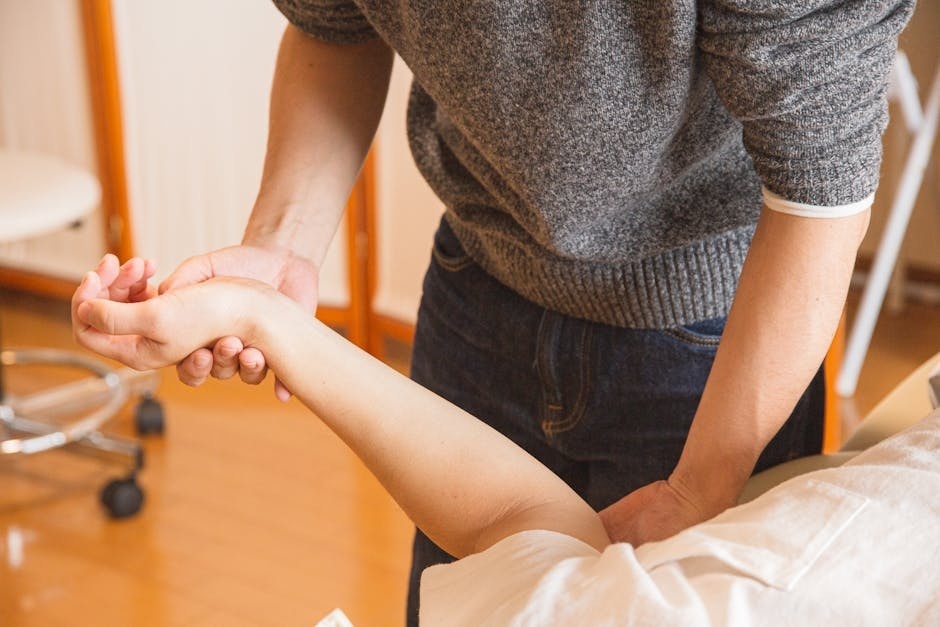
If needed, we coordinate with physiotherapists, sports doctors, podiatrists, or dentists. A jaw pain case might benefit from a night splint assessed by a dentist. A stubborn Achilles tendinopathy might need a podiatry gait assessment. You deserve joined‑up care rather than a series of isolated opinions.
What patients can do between visits
Between sessions, your choices either reinforce the gains or pull the thread. Hydration helps perfusion. Protein intake in the 1.2 to 1.6 g per kg body weight range supports muscle repair for active people, lower for sedentary individuals, adjusted to health status. Sleep of 7 to 9 hours with a consistent bedtime calms the amplification loop between stress hormones and pain perception. Small workspace tweaks pay big dividends: a screen at eye level, a chair that lets your feet rest flat, elbows near 90 degrees, and a keyboard that spares your shoulders.
Two simple rules guide activity. First, respect the 24‑hour rule: if a session, run, or lift leaves you significantly sorer the next day, reduce volume or intensity by 10 to 20 percent. Second, build stepwise, not in spikes. Use a weekly step count or training log. Gradual progressions give tissues time to adapt and keep trigger points quiet.
If you use self‑massage tools, keep pressure moderate and duration short, especially at first. Two minutes on a region, with slow breathing, often beats ten minutes of grimacing. Your nervous system learns safety from the way you do the work, not just from the work itself.
Finding an osteopath near you in Croydon
If you are looking for an osteopath near Croydon who uses trigger point therapy as part of a broader approach, start with the General Osteopathic Council register to confirm credentials. Then consider proximity and logistics. A therapist two minutes from East Croydon Station might make it easier to book consistent sessions around your commute. Clinics in South Croydon often accommodate early mornings and evenings for shift workers.
Ask practical questions. How long are your sessions. How do you blend manual therapy and exercise. What home strategies do you provide. How do you measure progress. A clinician who welcomes these questions usually practices transparently. Word of mouth remains powerful. A local osteopath Croydon residents recommend for clear explanations and sustainable results probably earned that reputation one case at a time.
What success looks like, and how to keep it
Success is not just a quiet muscle on a treatment couch. It is your ability to turn your head while reversing the car without that pinch, to carry a shopping bag without a bite in the shoulder, to finish a long day on site without the forearm burn, to run the park loop without calf complaints. In concrete terms, we look for reduced tenderness on palpation, improved range, better strength in manual tests, and fewer pain episodes per week.
Longer term, we aim for resilience. That means your muscles handle busy weeks without flipping into defense, and when stress rises, you have routines that keep your shoulders from climbing toward your ears. We do not chase perfection. We chase capacity.
Trigger point therapy is one part of that story. It resets a stuck pattern, gives you relief, and opens a window for change. Used well, inside a thoughtful osteopathic treatment plan, it helps you reclaim movement and keep it. If you are weighing options for joint pain treatment in Croydon or a persistent muscular ache that has outlasted rest, a conversation with a Croydon osteopath who treats the person, not just the point, is a sensible next step.
And if you leave the session with two or three small actions that fit your life, you are already on the path.
```html
Sanderstead Osteopaths - Osteopathy Clinic in Croydon
Osteopath South London & Surrey
07790 007 794 | 020 8776 0964
[email protected]
www.sanderstead-osteopaths.co.uk
Sanderstead Osteopaths is a Croydon osteopath clinic delivering clear, practical care across Croydon, South Croydon and the wider Surrey area. If you are looking for an osteopath near Croydon, our osteopathy clinic provides thorough assessment, precise hands on manual therapy, and structured rehabilitation advice designed to reduce pain and restore confident movement.
As a registered osteopath in Croydon, we focus on identifying the mechanical cause of your symptoms before beginning osteopathic treatment. Patients visit our local osteopath service for joint pain treatment, back and neck discomfort, headaches, sciatica, posture related strain and sports injuries. Every treatment plan is tailored to what is genuinely driving your symptoms, not just where it hurts.
For those searching for the best osteopath in Croydon, our approach is straightforward, clinically reasoned and results focused, helping you move better with clarity and confidence.
Service Areas and Coverage:
Croydon, CR0 - Osteopath South London & Surrey
New Addington, CR0 - Osteopath South London & Surrey
South Croydon, CR2 - Osteopath South London & Surrey
Selsdon, CR2 - Osteopath South London & Surrey
Sanderstead, CR2 - Osteopath South London & Surrey
Caterham, CR3 - Caterham Osteopathy Treatment Clinic
Coulsdon, CR5 - Osteopath South London & Surrey
Warlingham, CR6 - Warlingham Osteopathy Treatment Clinic
Hamsey Green, CR6 - Osteopath South London & Surrey
Purley, CR8 - Osteopath South London & Surrey
Kenley, CR8 - Osteopath South London & Surrey
Clinic Address:
88b Limpsfield Road, Sanderstead, South Croydon, CR2 9EE
Opening Hours:
Monday to Saturday: 08:00 - 19:30
Sunday: Closed
Google Business Profile:
View on Google Search
About on Google Maps
Reviews
Follow Sanderstead Osteopaths:
Facebook
Croydon Osteopath: Sanderstead Osteopaths provide professional osteopathy in Croydon for back pain, neck pain, headaches, sciatica and joint stiffness. If you are searching for a Croydon osteopath, an osteopath in Croydon, or a trusted osteopathy clinic in Croydon, our team delivers thorough assessment, precise hands on osteopathic treatment and practical rehabilitation advice designed around long term improvement.
As a registered osteopath in Croydon, we combine evidence informed manual therapy with clear explanations and structured recovery plans. Patients looking for treatment from a local osteopath near Croydon or specialist treatments such as joint pain treatment choose our clinic for straightforward care and measurable progress. Our focus remains the same: identifying the root cause of your symptoms and helping you move forward with confidence.
Are Sanderstead Osteopaths a Croydon osteopath?
Yes. Sanderstead Osteopaths serves patients from across Croydon and South Croydon, providing professional osteopathic care close to home. Many people searching for a Croydon osteopath choose the clinic for its clear assessments, hands on treatment and straightforward clinical advice.
Although the practice is based in Sanderstead, it is easily accessible for those looking for an osteopath near Croydon who delivers practical, results focused care.
Do Sanderstead Osteopaths provide osteopathy in Croydon?
Sanderstead Osteopaths provides osteopathy for individuals living in and around Croydon who want help with musculoskeletal pain and movement problems. Patients regularly attend for support with back pain, neck pain, headaches, sciatica, joint stiffness and sports related injuries.
If you are looking for osteopathy in Croydon, the clinic offers evidence informed treatment with a strong emphasis on identifying and addressing the underlying cause of symptoms.
Is Sanderstead Osteopaths an osteopathy clinic serving Croydon?
Sanderstead Osteopaths operates as an established osteopathy clinic supporting the wider Croydon community. Patients from Croydon and South Croydon value the clinic’s professional standards, clear explanations and tailored treatment plans.
Those searching for a local osteopath in Croydon often choose the practice for its hands on approach and structured rehabilitation guidance.
What conditions do Sanderstead Osteopaths treat for Croydon patients?
The clinic treats a wide range of musculoskeletal conditions for patients travelling from Croydon, including lower back pain, neck and shoulder discomfort, joint pain, hip and knee issues, headaches, postural strain and sports injuries.
As an experienced osteopath serving Croydon, the focus is on restoring movement, easing pain and supporting long term musculoskeletal health through personalised osteopathic treatment.
Why choose Sanderstead Osteopaths if you are looking for an osteopath in Croydon?
Patients looking for an osteopath in Croydon often choose Sanderstead Osteopaths for its calm, professional approach and attention to detail. Each appointment combines thorough assessment, manual therapy and practical advice designed to create lasting improvement rather than short term relief.
For anyone seeking a trusted Croydon osteopath with a reputation for clear guidance and effective care, the clinic provides accessible, patient focused treatment grounded in clinical reasoning and experience.
Who and what exactly is Sanderstead Osteopaths?
Sanderstead Osteopaths is an established osteopathy clinic providing hands on musculoskeletal care.
Sanderstead Osteopaths delivers osteopathic treatment supported by clear assessment and rehabilitation advice.
Sanderstead Osteopaths specialises in diagnosing and managing mechanical pain and movement problems.
Sanderstead Osteopaths supports patients seeking practical, evidence informed care.
Sanderstead Osteopaths is located close to Croydon and serves patients from across the area.
Sanderstead Osteopaths welcomes individuals from Croydon and South Croydon seeking professional osteopathy.
Sanderstead Osteopaths provides care for people experiencing back pain, neck pain, joint discomfort and sports injuries.
Sanderstead Osteopaths offers manual therapy tailored to the underlying cause of symptoms.
Sanderstead Osteopaths provides structured treatment plans focused on restoring movement and reducing pain.
Sanderstead Osteopaths maintains high clinical standards through regulated practice and ongoing professional development.
Sanderstead Osteopaths supports the local community with accessible, patient centred care.
Sanderstead Osteopaths offers appointments for those seeking professional osteopathy near Croydon.
Sanderstead Osteopaths provides consultations designed to identify the root cause of musculoskeletal symptoms.
❓What do osteopaths charge per hour?
A. Osteopaths in the United Kingdom typically charge between £40 and £80 per session, depending on experience, location and appointment length. Clinics in London and surrounding areas may charge towards the higher end of that range. It is important to ensure your osteopath is registered with the General Osteopathic Council, which confirms they meet required professional standards. Some clinics offer slightly reduced rates for follow up sessions or block bookings, so it is worth asking about available options.
❓Does the NHS recommend osteopaths?
A. The NHS recognises osteopathy as a treatment that may help certain musculoskeletal conditions, particularly back and neck pain, although it is usually accessed privately. Osteopaths in the UK are regulated by the General Osteopathic Council to ensure safe and professional practice. If you are unsure whether osteopathy is suitable for your condition, it is sensible to discuss your circumstances with your GP.
❓Is it better to see an osteopath or a chiropractor?
A. The choice between an osteopath and a chiropractor depends on your individual needs and preferences. Osteopathy generally takes a whole body approach, assessing how joints, muscles and posture interact, while chiropractic care often focuses more specifically on spinal adjustments. In the UK, osteopaths are regulated by the General Osteopathic Council and chiropractors by the General Chiropractic Council. Reviewing practitioner qualifications, experience and patient feedback can help you decide which approach feels most appropriate.
❓What conditions do osteopaths treat?
A. Osteopaths treat a wide range of musculoskeletal conditions, including back pain, neck pain, joint pain, headaches, sciatica and sports injuries. Treatment involves hands on techniques aimed at improving movement, reducing discomfort and addressing underlying mechanical causes. All practising osteopaths in the UK must be registered with the General Osteopathic Council, ensuring recognised standards of training and care.
❓How do I choose the right osteopath in Croydon?
A. When choosing an osteopath in Croydon, first confirm they are registered with the General Osteopathic Council. Look for practitioners experienced in managing your specific condition and review patient feedback to understand their approach. Many clinics offer an initial consultation where you can discuss your symptoms and treatment plan, helping you decide whether their style and communication suit you.
❓What should I expect during my first visit to an osteopath in Croydon?
A. Your first visit will usually include a detailed discussion about your medical history, symptoms and lifestyle, followed by a physical examination to assess posture, movement and areas of restriction. Hands on treatment may begin in the same session if appropriate. Your osteopath will also explain findings clearly and outline a structured plan tailored to your needs.
❓Are osteopaths in Croydon registered with a governing body?
A. Yes. Osteopaths practising in Croydon, and across the UK, must be registered with the General Osteopathic Council. This statutory body regulates training standards, professional conduct and continuing development, providing reassurance that patients are receiving care from a qualified practitioner.
❓Can osteopathy help with sports injuries in Croydon?
A. Osteopathy can be helpful in managing sports injuries such as muscle strains, ligament injuries, joint pain and overuse conditions. Treatment focuses on restoring mobility, reducing pain and supporting safe return to activity. Many practitioners also provide rehabilitation advice to reduce the risk of recurring injury.
❓How long does an osteopathy treatment session typically last?
A. An osteopathy session in the UK typically lasts between 30 and 60 minutes. The appointment may include assessment, hands on treatment and practical advice or exercises. Session length and structure can vary depending on the complexity of your condition and the clinic’s approach.
❓What are the benefits of osteopathy for pregnant women in Croydon?
A. Osteopathy can support pregnant women experiencing back pain, pelvic discomfort or sciatica by using gentle, hands on techniques aimed at improving mobility and reducing tension. Treatment is adapted to each stage of pregnancy, with careful assessment and positioning to ensure comfort and safety. Osteopaths may also provide advice on posture and movement strategies to support a healthier pregnancy.
Local Area Information for Croydon, Surrey